The Healing Power of Watercolor: A Beginner’s Guide to Painting with Nature & Emotion

Blue Watercolor Space Scene

There’s something quietly healing about watching color bloom across wet paper—soft edges, flowing shapes, gentle movement. Watercolor has a way of slowing things down and bringing your attention inward, without forcing it.

For many of us, art isn’t just about making something beautiful—it’s about making space to feel, to process, and to connect with what’s there.

Welcome to Watercolor Sanctuary, a space for exploring:

  • gentle, beginner-friendly watercolor techniques

  • creative expression without pressure

  • inspiration rooted in nature and quiet moments

This guide is a simple starting point—not for perfection, but for presence.

Why Watercolor Can Feel So Different

Unlike many other art forms, watercolor doesn’t ask for control in the same way. It moves, shifts, and blends in ways you can’t fully predict.

That’s part of what makes it feel different.

Watercolor can help you:

  • slow down and focus on simple movements

  • let go of trying to control every outcome

  • explore color and feeling without needing to define it

  • reconnect with creativity in a low-pressure way

Sometimes it’s less about what you’re painting, and more about how it feels while you’re doing it.

Painting with Nature as Your Guide

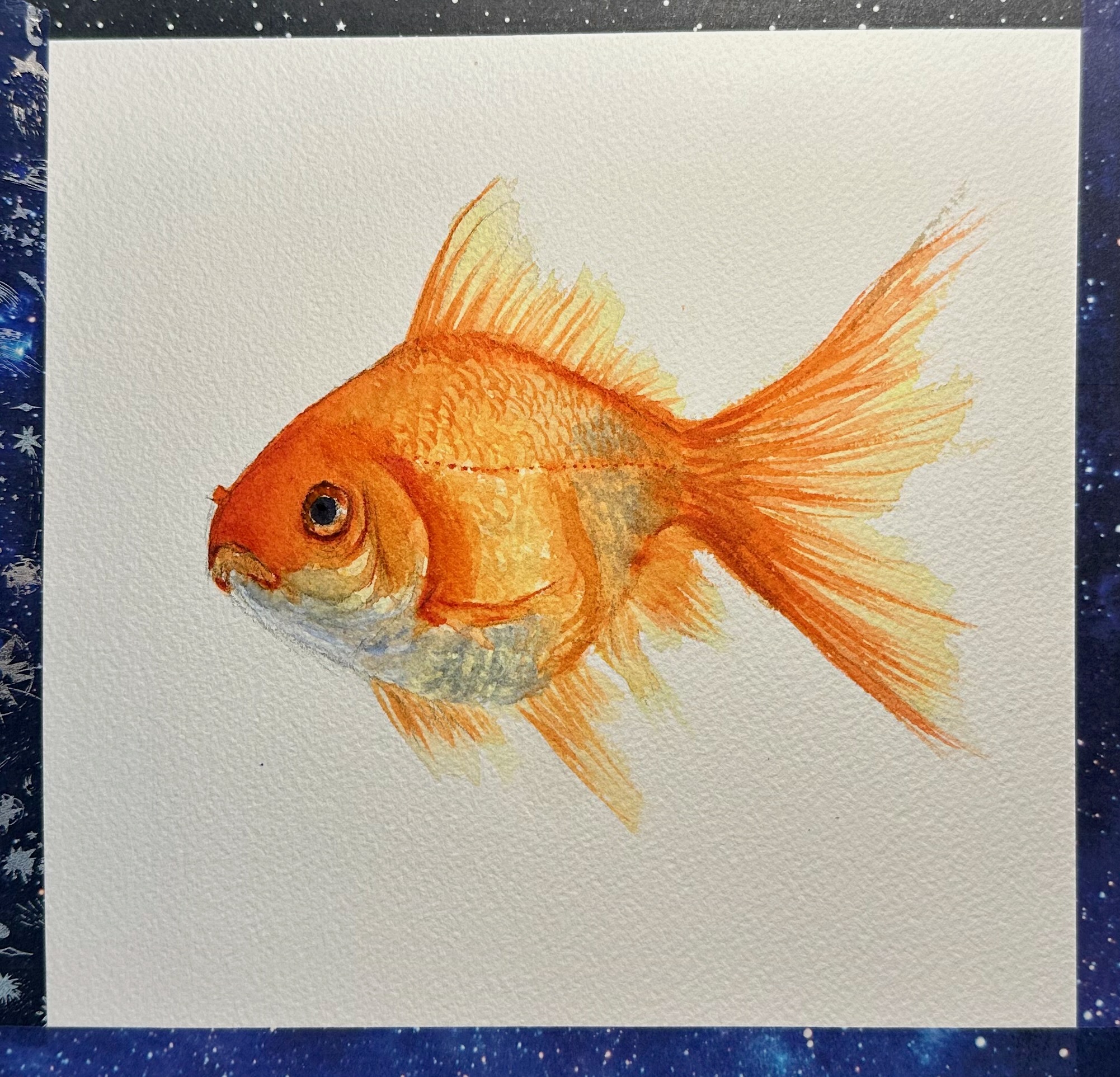
Nature is an easy place to begin when you’re not sure what to paint.

You might try:

  • a leaf, flower, or simple shape

  • the way colors blend in the sky

  • soft, abstract shapes inspired by water or wind

Even noticing something small—like the color of a leaf or the shape of a shadow—can be enough to start.

What You’ll Need to Begin

You don’t need much to get started. A simple setup is enough:

  • Watercolor paint (pan or tube)

  • Watercolor paper (140 lb cold press is a good place to start)

  • A round brush (size 6 or 8 works well)

  • Water + a cloth or paper towel

That’s it. You can always add more later.

Simple Ways to Start Painting

If you’re not sure where to begin, try something small and low-pressure:

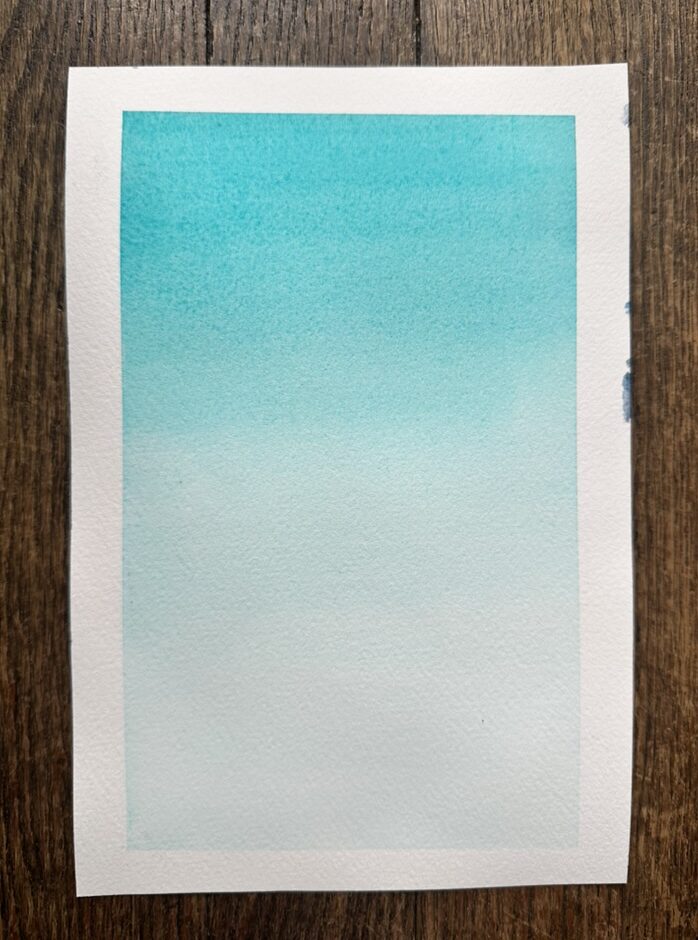
  • Paint a single color wash and watch how it moves

  • Blend two colors together and see what happens

  • Make slow brush strokes and focus on the movement

  • Paint something simple from nature, or just abstract shapes

There’s no need to get it “right.” Just start.

Let It Be a Small Ritual

Watercolor can become something you return to, even in small ways.

You might:

  • paint for a few minutes in the morning

  • do a quick sketch after being outside

  • keep a simple sketchbook just for experimenting

It doesn’t have to be consistent or structured. Just something you come back to when you want to.

Keep Exploring

As you get more comfortable, you can start learning simple techniques like washes, blending, and layering.

If you’re just getting started, you might find this helpful:
👉 3 Essential Watercolor Washes for Beginners

Closing Words

Watercolor isn’t something you have to master to enjoy.

It’s just a way to slow down, pay attention, and create something—however it turns out.

Let it be simple. Let it be imperfect. Let it be yours.

Related Posts

Join Our Newsletter

Scroll to Top