

The Healing Power of Watercolor: A Beginner’s Guide to Painting with Nature & Emotion
There’s something quietly healing about watching color bloom across wet paper—soft edges, flowing shapes, gentle movement. Watercolor has a way
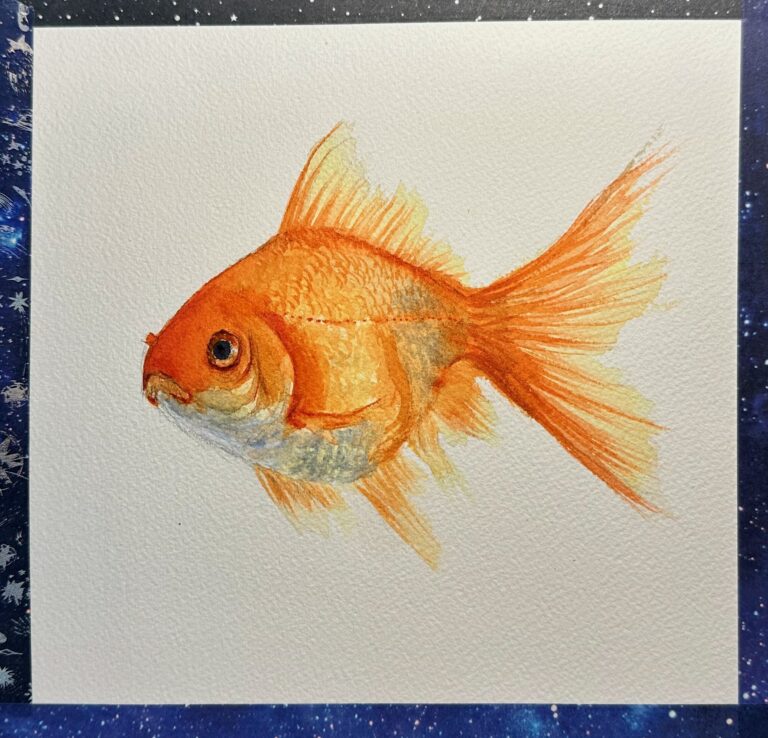
Painting a goldfish in watercolor can feel both exciting and a little intimidating. Their delicate fins, soft colors, and subtle reflections can make beginners worry about mistakes. But the truth is, goldfish are perfect subjects for learning — gentle shapes, flowing lines, and forgiving transparency make them ideal for practicing watercolor techniques.
This guide will walk you through a simple, beginner-friendly process, helping you enjoy the painting experience without stress, and giving you a beautiful result to be proud of.
*If you’re just getting started, learning basic techniques like washes can be really helpful. Check out 3 Essential Watercolor Washes for Beginners
Watercolors naturally match the essence of a goldfish: soft, flowing, and luminous. When you paint a goldfish, you’re not just recreating an image — you’re learning how light interacts with color, how to suggest movement, and how to let the paint do part of the work for you.
Think of painting a goldfish as a meditative practice. Each stroke is an opportunity to observe, breathe, and enjoy the process.
You don’t need a lot. Focus on the essentials:
Keep your palette simple; fewer colors help you focus on blending and layering.
Before painting, take a moment to study a goldfish — either a photo or, if possible, a live one. Notice:
Let your observations guide your brush. This connection sets the tone for a mindful painting session.
With your pencil, sketch the goldfish lightly. Simple shapes work best:
This is just a guide — your watercolor will bring it to life. Avoid dark outlines; the paint will define edges naturally.
A soft background helps your goldfish stand out. Light washes of blue or green suggest water without distraction:
Allow this layer to dry before painting the fish. *This can also be done after you paint the fish.
Dilute orange and yellow paint with plenty of water. Apply a light, even wash over the body of the fish. Don’t worry about details yet — this is just the base layer.
Remember: watercolor is about layering gently, not rushing to finish.
Once the base is dry:
Shadows suggest form and depth, helping the fish feel three-dimensional.
Goldfish fins are delicate and transparent:
Avoid overworking; subtlety creates a more natural look.
The eye is small but vital:
You can gently suggest scales or texture with a dry brush, but don’t overdo it — simplicity is more powerful in watercolor.
Take a moment to observe your painting. Notice what works, what feels calm, and what could be refined next time. Watercolor is as much about enjoying the process as creating a finished piece.
Painting a goldfish with watercolors is an invitation to slow down, connect with your creativity, and explore color and light in a gentle way. Each attempt will teach you more about layering, transparency, and observation. Embrace the imperfections. They are what make your painting uniquely yours.
Let your brush flow, enjoy the process, and watch your goldfish swim to life on the page.

There’s something quietly healing about watching color bloom across wet paper—soft edges, flowing shapes, gentle movement. Watercolor has a way
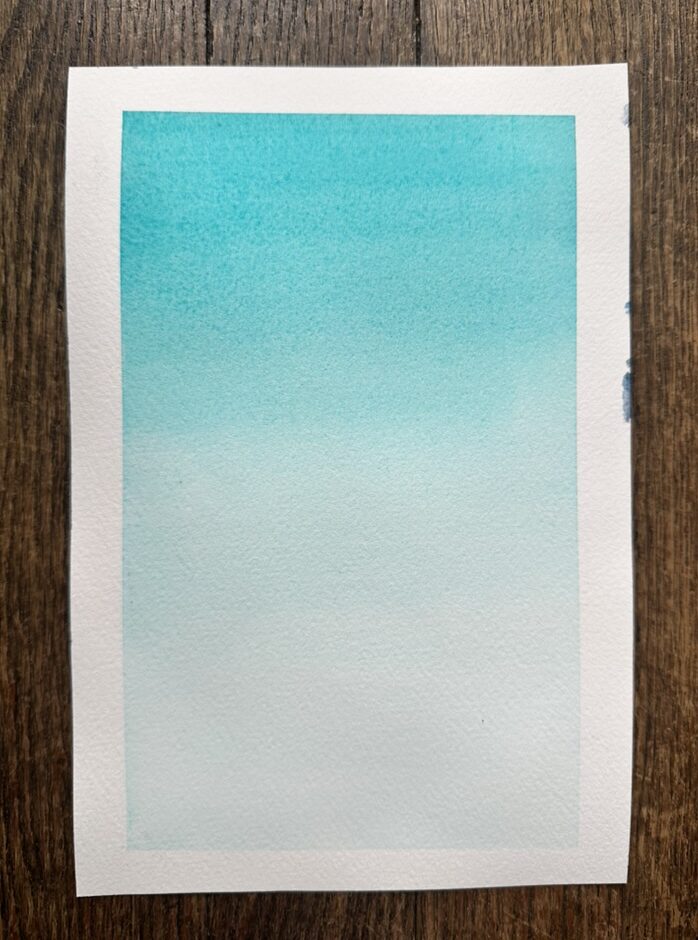
Watercolor washes are one of the first things to learn, and they’re the base of so many paintings.They’re also a